Greetings, dear Subscribers!
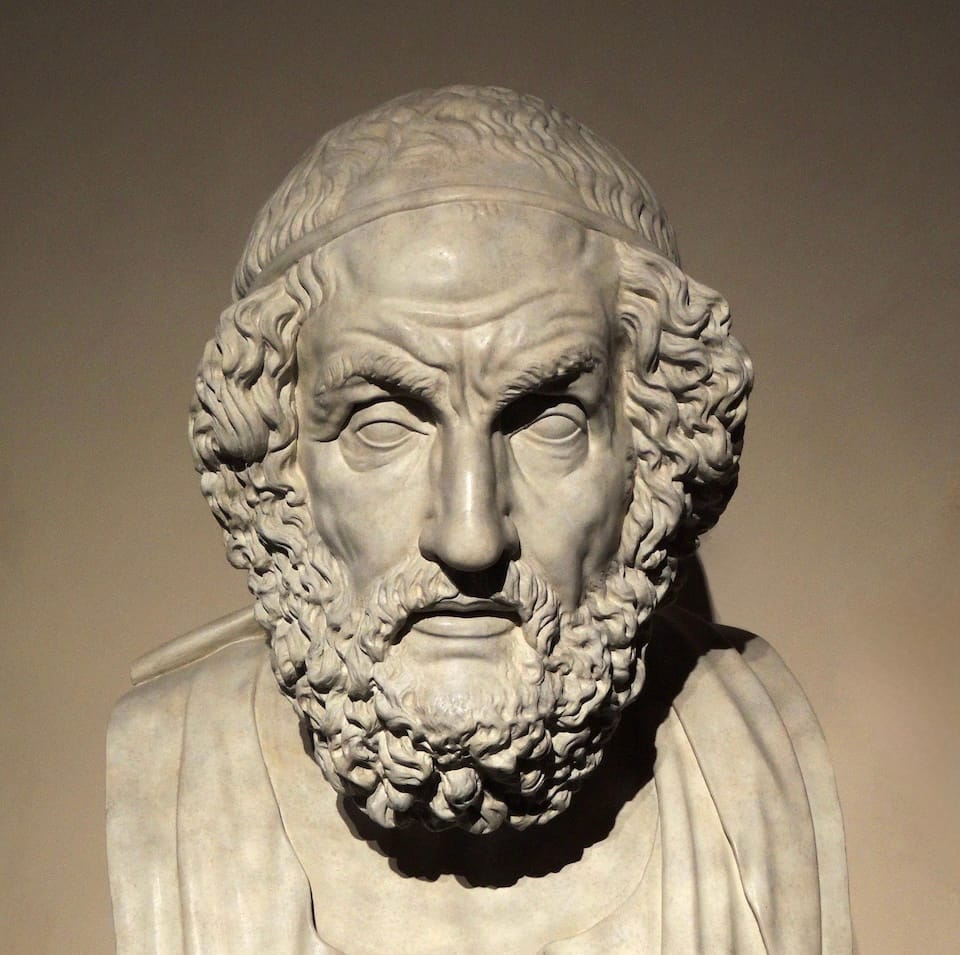
This week’s offering is our second instalment of essays on the theme of interpreting Homer. Last week’s essay, The Sea Within: Odysseus and the Geography of the Soul, by Mateus de Azevedo, focused on The Odyssey from a perennialist lens.
This week, we present Charles Upton’s interpretation of both The Iliad and The Odyssey as a cycle of stories. The essay is titled ‘Homer, Poet of Maya’.
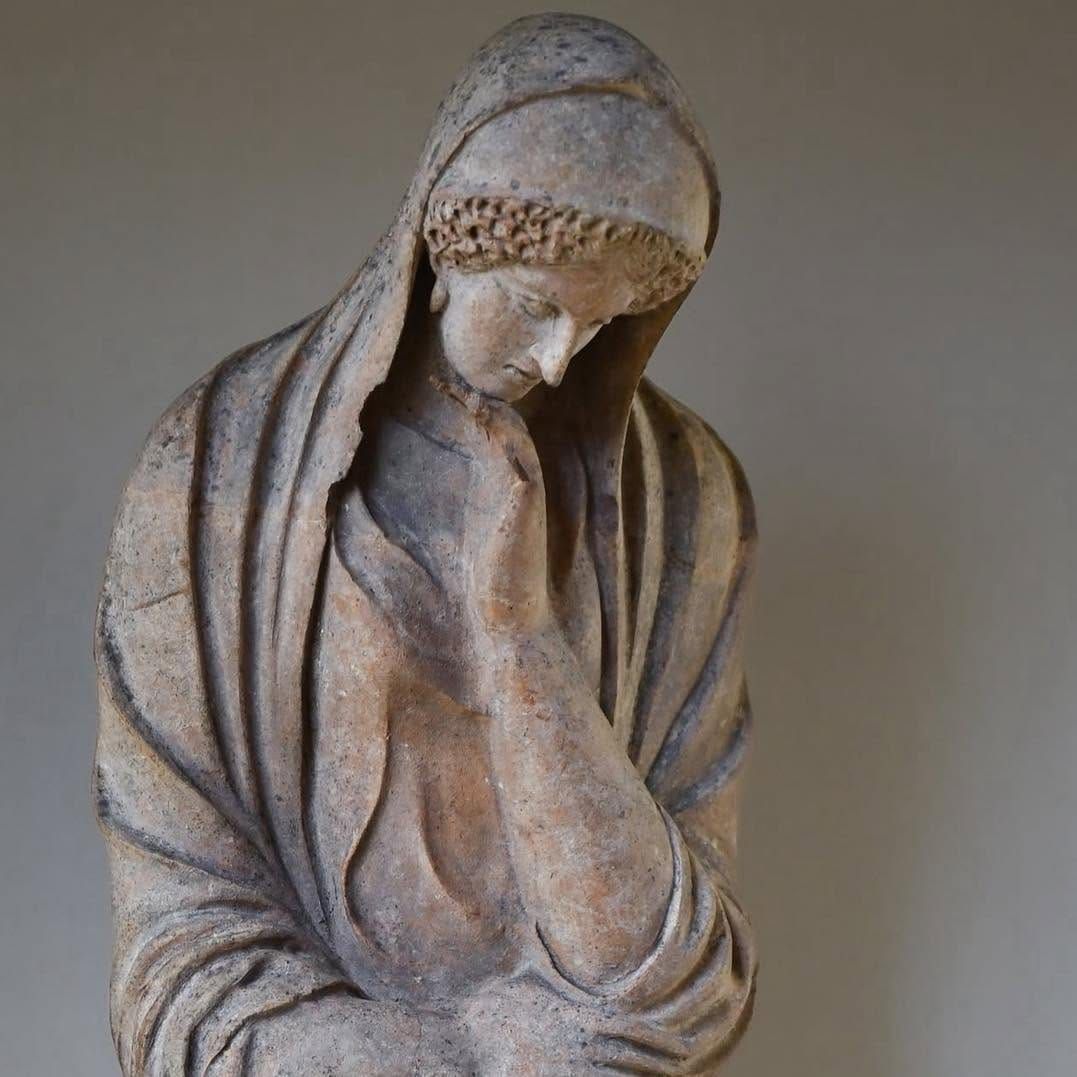
While the story of Odysseus’s Return is a Homeric myth, it expresses archetypes that are universal. In this week’s essay, Upton uses the metaphysical language of Vedic principles to describe the shaktic influences at play within the soul’s spiritual journey, which are deployed to purify the soul (represented by Odysseus), to reintegrate it with Holy Wisdom (Penelope), and to guide it to its spiritual home (Ithaca).
Here are some excerpts:
- The Iliad is the epic of avidya-maya, the Odyssey the epic of vidya-maya. Helen, the cause for an expansive, imperialistic war, the “face that launched a thousand ships”, is avidya-maya, the power that lures men into worldly identification, conflict and dissipation. Penelope, the wife of Odysseus “the cunning”, the image of retreat, of withdrawal from the world, of home, is vidya-maya. She is the power of recollection, of return to the “center in the midst of conditions”; she is Holy Wisdom.
- The course of vidya-maya embraces the many journeys and battles and awakenings and realizations that are the spiritual Path; the Odyssey — the epic that depicts the struggles of Odysseus to be reunited with Penelope, with Holy Wisdom (under the guidance of the goddess Athene, the transcendent archetype of that Wisdom, and Hermes her emissary) — is the story of that Path.
The full essay can be read here:
 Charles Upton