
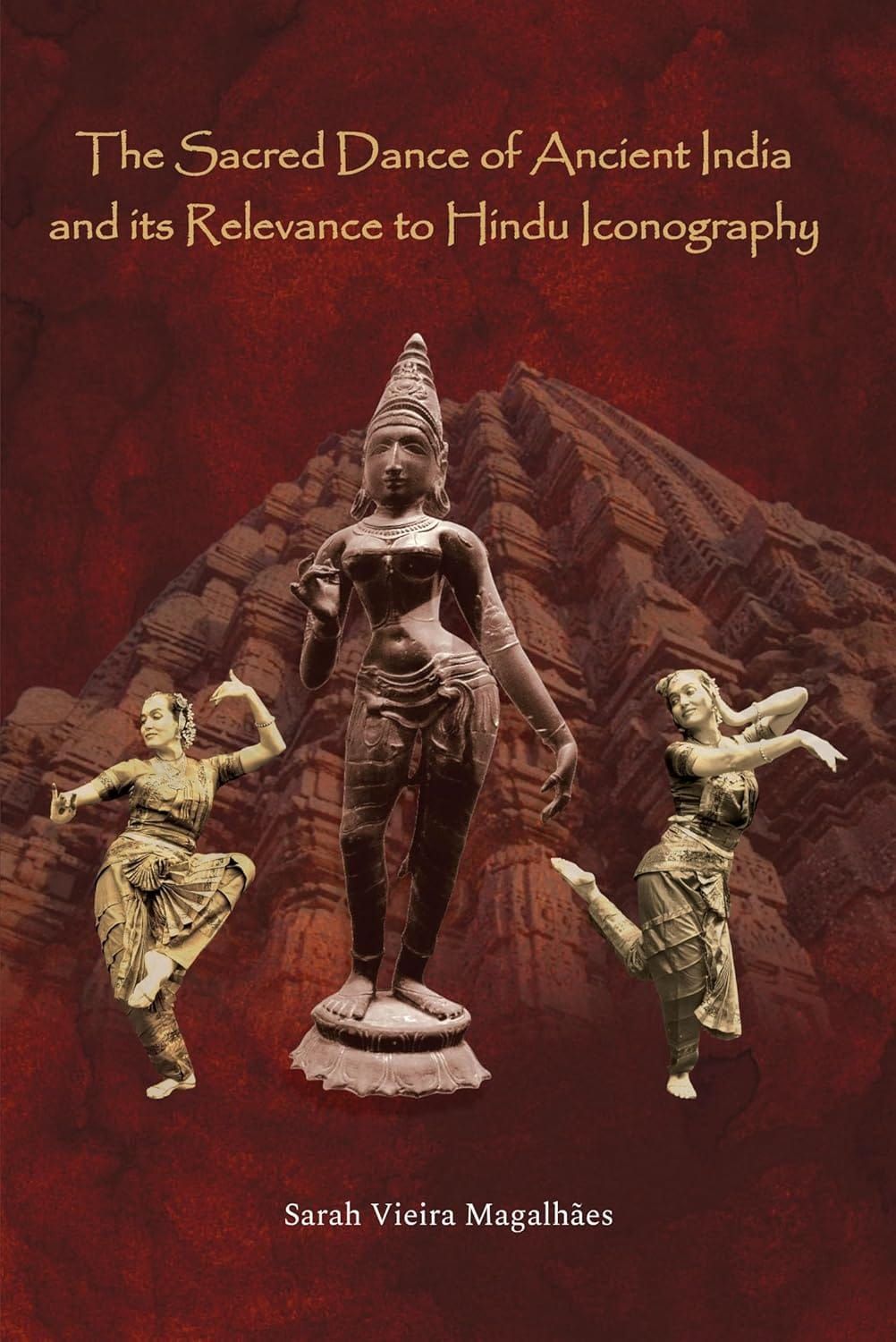
Dancing the Metaphysics of the Karaṇas
Here is a book that dares to speak of origins, “Origins of mankind, origins of the arts, origins of the myth, origins of the world in its pristine times” (The Sacred 14). Its author, a Brazilian woman, is called to witness that the sacred dance of India has been an esoteric ritual, despite its modern performative aspects, which are a later development. Sarah Vieira Magalhães, a longtime practitioner of that sacred art form, embodies through her dances the wisdom of the principles underlying the Bharat Natyam, bringing to her expression of them a passion and devotion that are reflected equally in her writing and the serious research that has gone into the production of this beautiful art book.
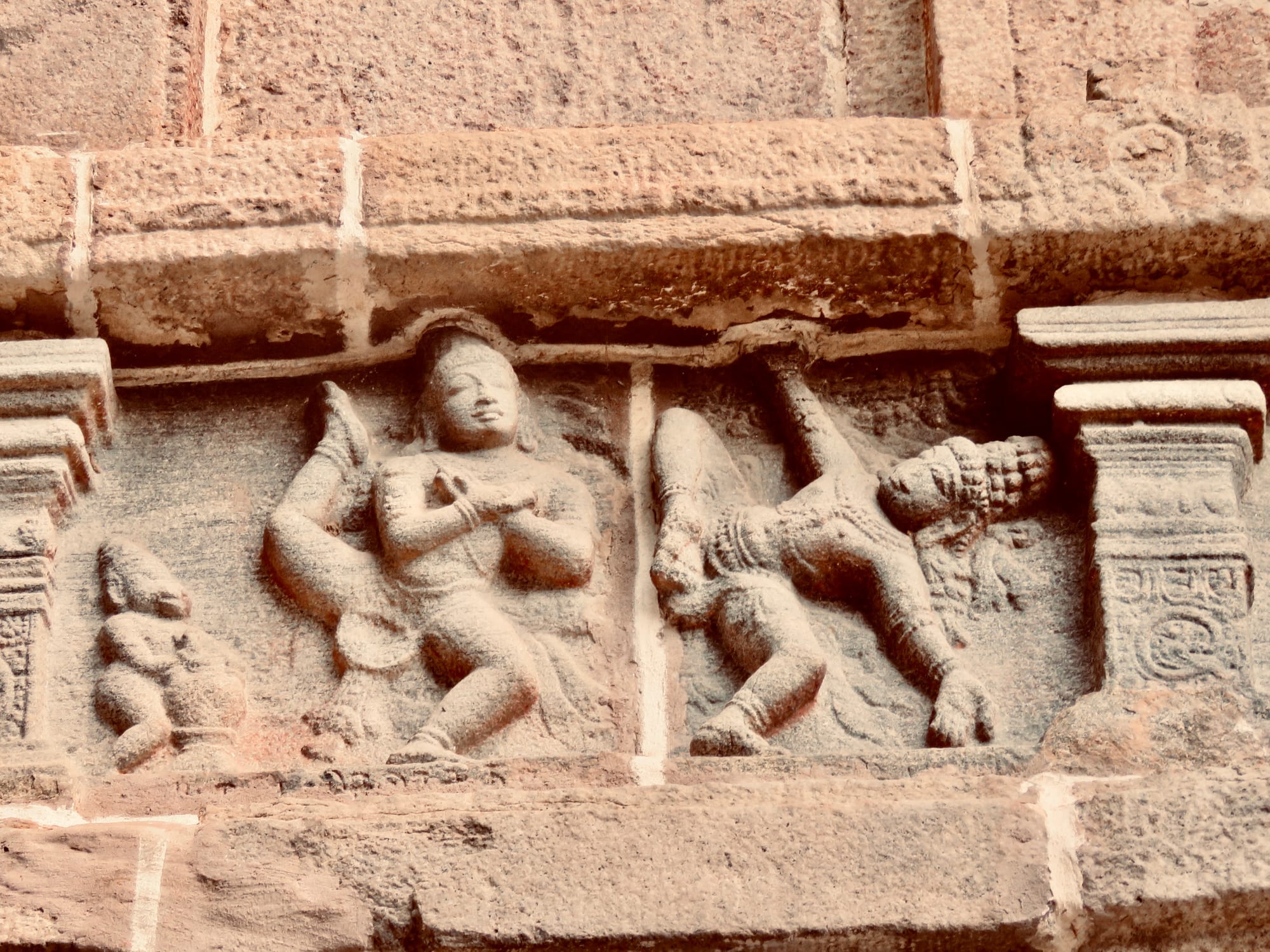
Magalhães also knows the Guru Śiṣya Paramparā (the sacred tradition of transmission) and its irreplaceable value because she has lived it for fifteen years in India and she remains attached to her Paramparā. It is therefore a veritable delight to encounter in this book an all-encompassing view of Karaṇas [[1]] as iconographic images that have not been explored by scholars before (in such philosophical depth, beyond the choreographic aspects), and especially from such a devoted scholar-practitioner as Magalhães.
The book’s wisdom shows that reviving this nearly lost tradition can also promote the healing aspects of dance. Magalhães has lived the tradition sufficiently to enable her to appreciate the metaphysical meaning of Hindu iconography and sacred dance and their profound relevance for the modern world. Connecting the Karaṇas to esoteric Tantric ways, Magalhães shows how dance is a vibrant and unique way to bring the Karaṇas into “the form of the gods.” With her deep knowledge of perennial wisdom and Western philosophies, she connects East and West, providing a fascinating bridge between contemplation and its iconographic enactment. The author captures the “spiritual ethos of India,” proposing the Karaṇas as “instrumental action” (The Sacred 20) that connects myriad Yogic philosophies, practices, worship rituals, dramatic dance movements, and archetypal postures.
The book showcases India’s ancient and continuous tradition of masters and disciples. People who practice these esoteric paths are aware that these are gurugamyā paths, only accessible through the grace of the Guru. In her book Life as Yoga, Vimala Thakar wrote poignantly about discipleship, a difficult and rare status which “means a quest, an intense desire to understand, a restless longing to search out the Reality” and she emphasized that “The meeting point of quest and experience is the meeting point of the teacher and the disciple” (38-39). Clearly, Sarah Magalhães has discovered that relationship because of her devotion to tradition and her intense desire to actualize that quest in her. Her devoted intensity led her to a lineage holder Guru in Sucheta Bhide Chapekar, one of the finest exponents of Bharat Natyam in India.
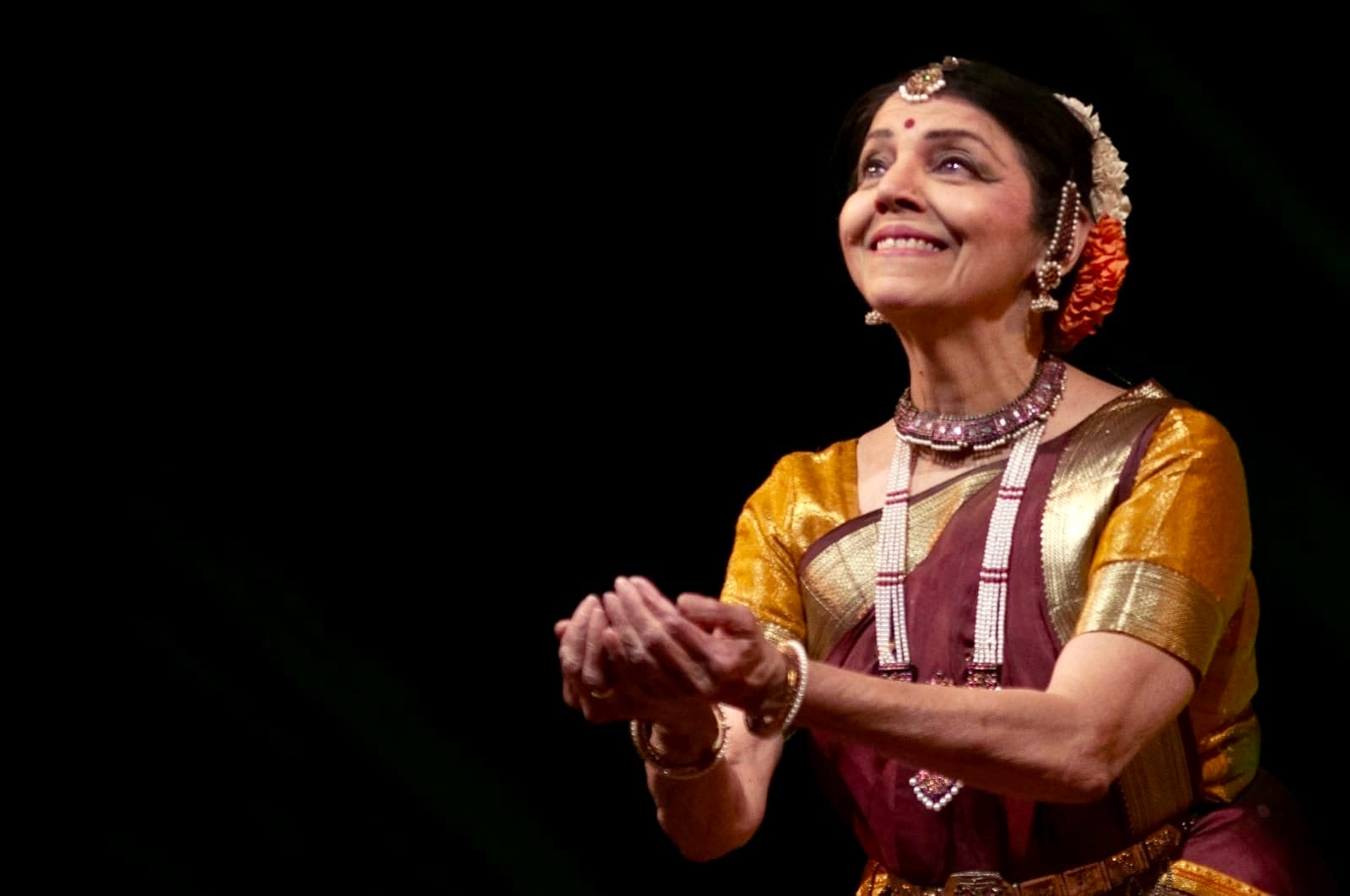
Sacred dance is a Tantric method that is designed to align the energies of the body with the divine.
In Tantric texts, we find a world-affirming philosophy with a highly refined methodology to recognize and actualize the union of opposites. For example, Vijnanabhairava, a well-known Tantric text with 112 methods, claims to be a distilled version of an extant text, the Rudrayamala, which means the union of Rudra and his Shakti. Sacred dance is a Tantric method that is designed to do exactly that, to align the energies of the body with the divine so that one can experience the ecstatic dance of Nataraja or an Anandabhairava in whom both consciousness and energy, light and awareness are one, making the practitioner delight in her/his freedom, svātantrya [[2]]. To cite Magalhães, “As a tantric sādhanā, dramatic art anchored in the Karaṇas allowed the actor-sacrificer to experience svātantrya (The Sacred 85) which is embodied in the cosmic dance of Shiva Nataraja”.
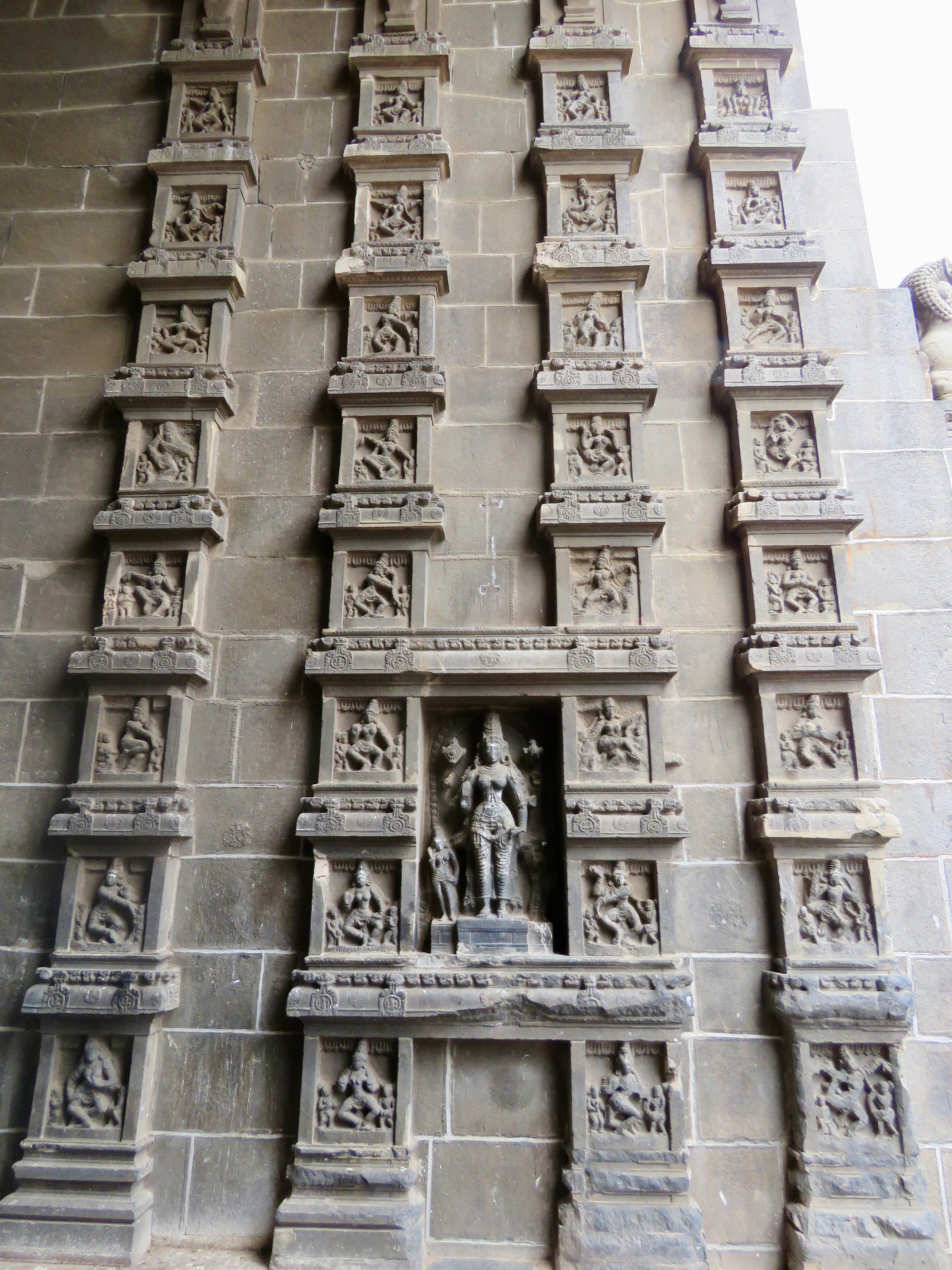
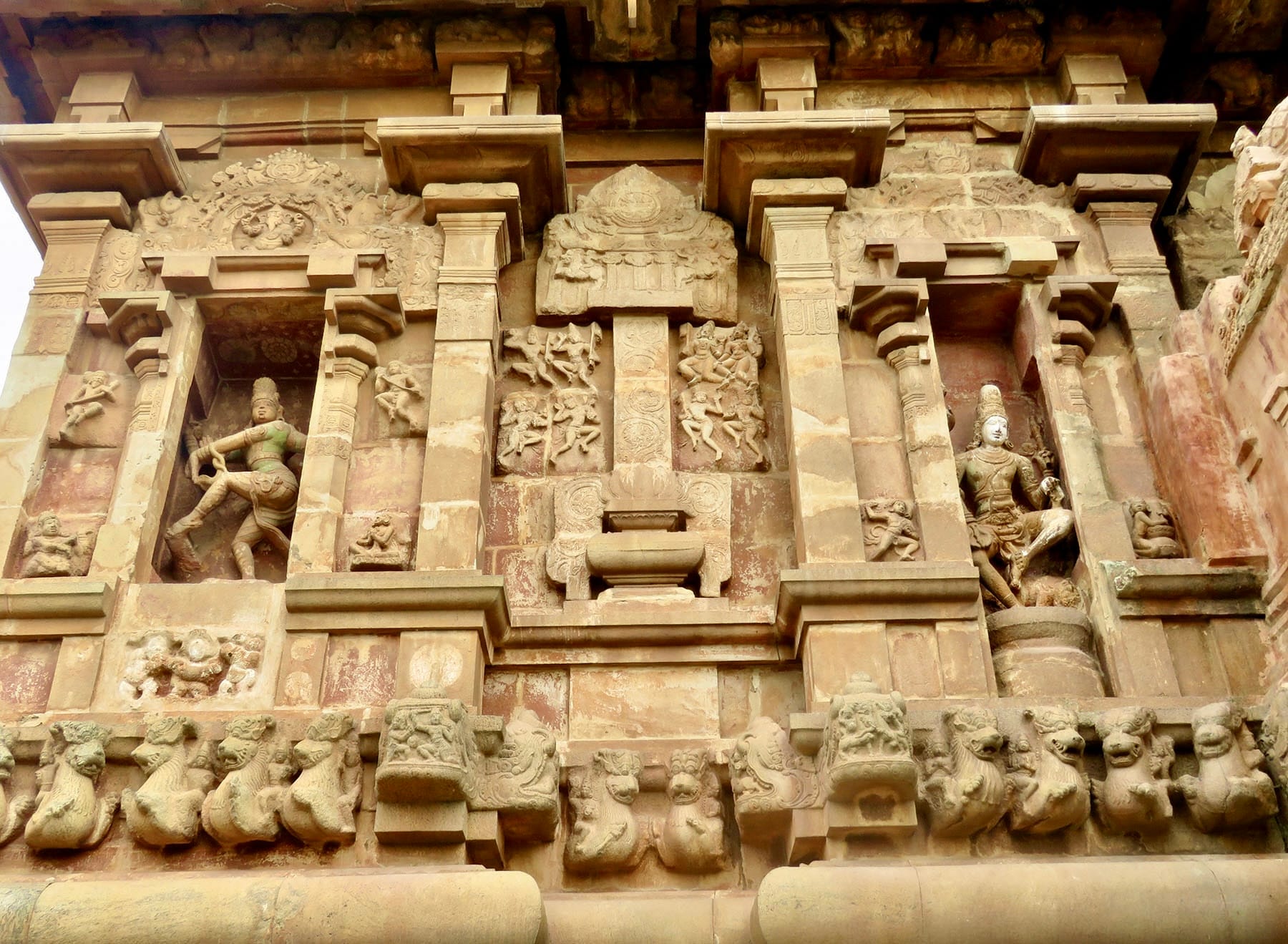
The book is divided into seven chapters, with introductory and concluding notes, and is itself a delightful visual record with extensive photographs from temples, illustrating the symbolic wisdom of the Karaṇas. The number 108 of the Karaṇas is no accident because the Tantric yogis parse the body into 108 sections; hence, the 108 beads in meditation mālas.
After the introductory chapter that sets out the thesis of the book, Chapter 1 begins with an anthropological review of dance and discusses it as an expression of primordial ritual, as an ancient art and way of life. Chapter 2 goes into the ritual origins of art. This chapter examines the origin of myths, the language of myths, and comments on the entire notion of nāṭya (the ancient dramatic art) as presented in Nāṭyaśāstra. Most importantly, the chapter looks at Lāsya, graceful substance, femininity, and dramaturgy as the science of life.
The next chapter discusses the notion of space, and art as sādhanā [[3]], and explores Kashmiri Tantric master and aesthetic theorist par excellence, Abhinavagupta’s philosophy. In Chapter 4, we are introduced to the history of Karaṇas, temple sculpture, and the role of dancers as devadasis, servants of the gods.
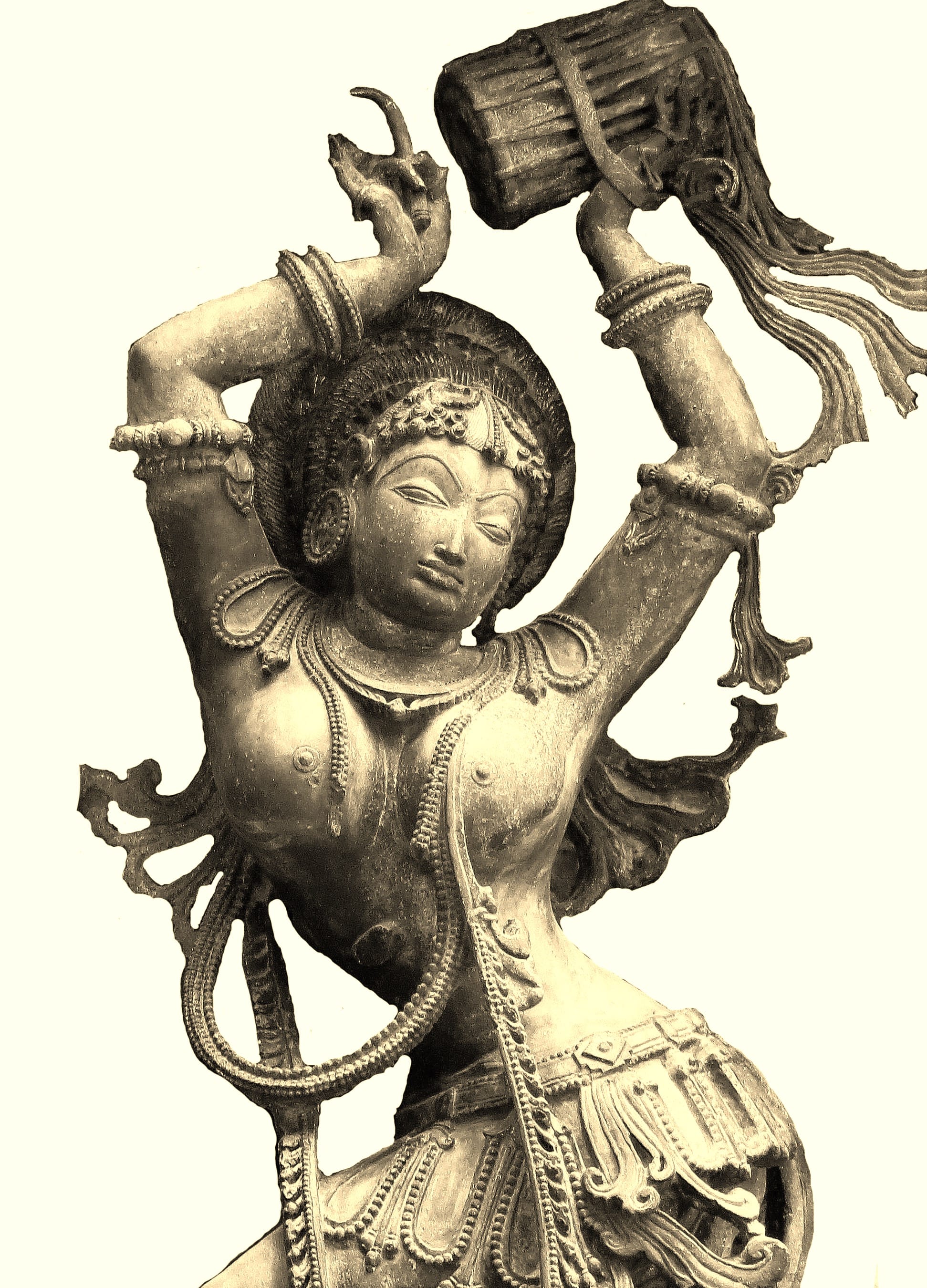
In Chapter 5, Magalhães shows how agamic and tantric traditions were reflected in the arts and she looks at the metaphysics of Shiva’s dance. Chapter 6 is about how human beings worshipped the powers of nature and examines the personification of gods and iconographic imagery.
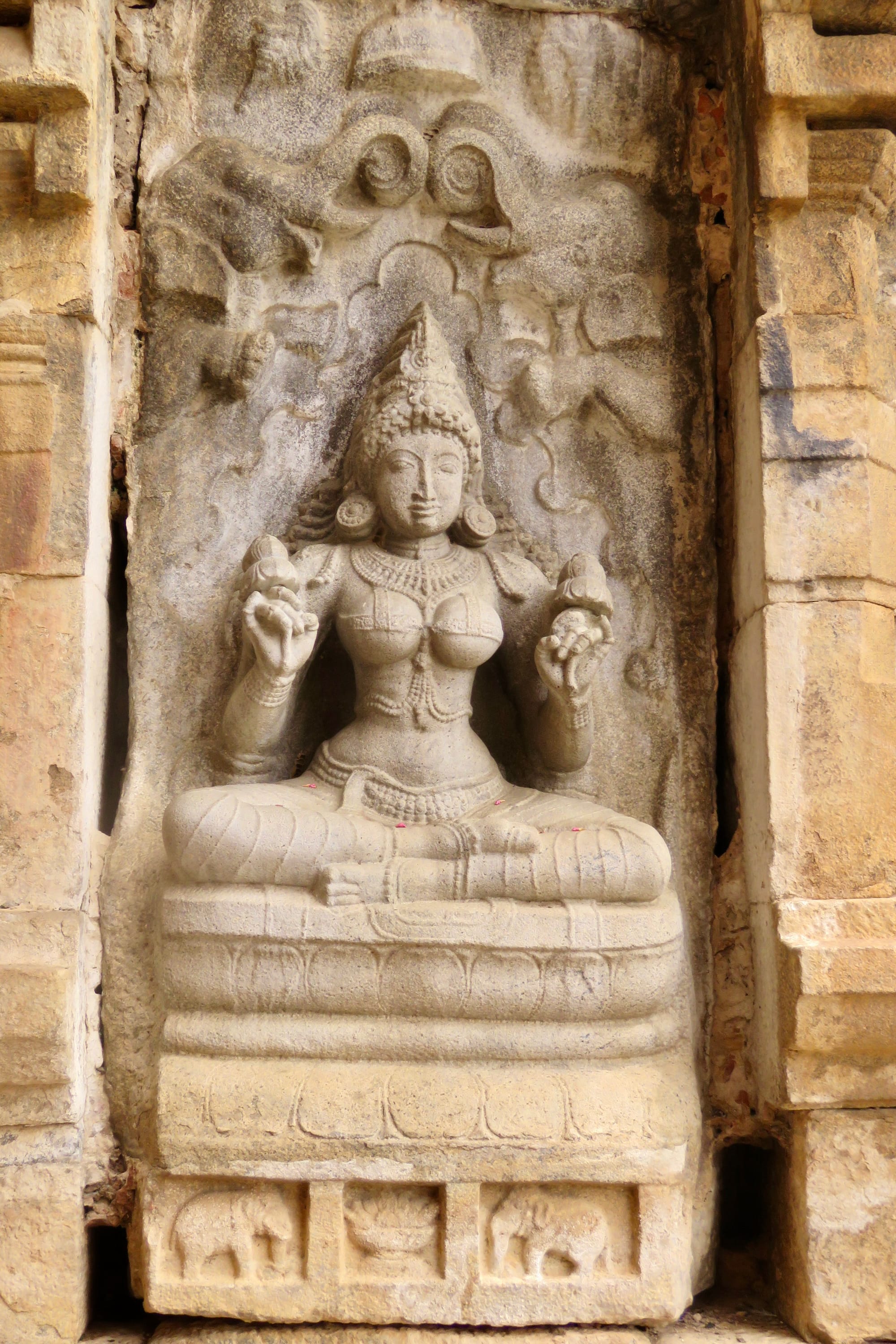
Chapter 7 probes the deeper meaning of the Karaṇas as archetypal postures and illustrates how dance becomes sculpture. It also looks at theurgy, Śilpaśāstra, and sacred nudity in the Karaṇas, presenting a comprehensive understanding of Hindu iconography as visual metaphysics. And the concluding chapter offers a yogic perspective on the Karaṇas, explains the meaning of murtis and sacred symbols, and looks at the mystical wedding of aesthetics and spirituality.
This volume reminds me of the exploration of Indic art in an extensive exhibition organized in Sydney, Australia, leading to the creation of a catalogue titled Dancing the Flute: Music and Dance in Indian Art, which was curated with the help of renowned scholar of Indian art Pratapaditya Pal. Writing about Indian dance in the temple context, John Guy explains how “the bringing of life to sculpture through the infusion of prana was the essential and ultimate challenge facing the traditional Indian sculptor.” He cites Svacchanda Tantra IV which stresses that “all the arts (kala) and crafts (silpa) are functions of prana,” and even today, prescribed rituals are performed by the sculptors of Mahabalipuram (35). Pratapaditya Pal’s article in the same volume, titled ‘The Circle of Shiva’, shows the importance of the dance motif as an act of divine play/lila within the Shaiva/Shakta paths. Magalhães understands this principle of prana and brings it to life in her research and sādhanā.
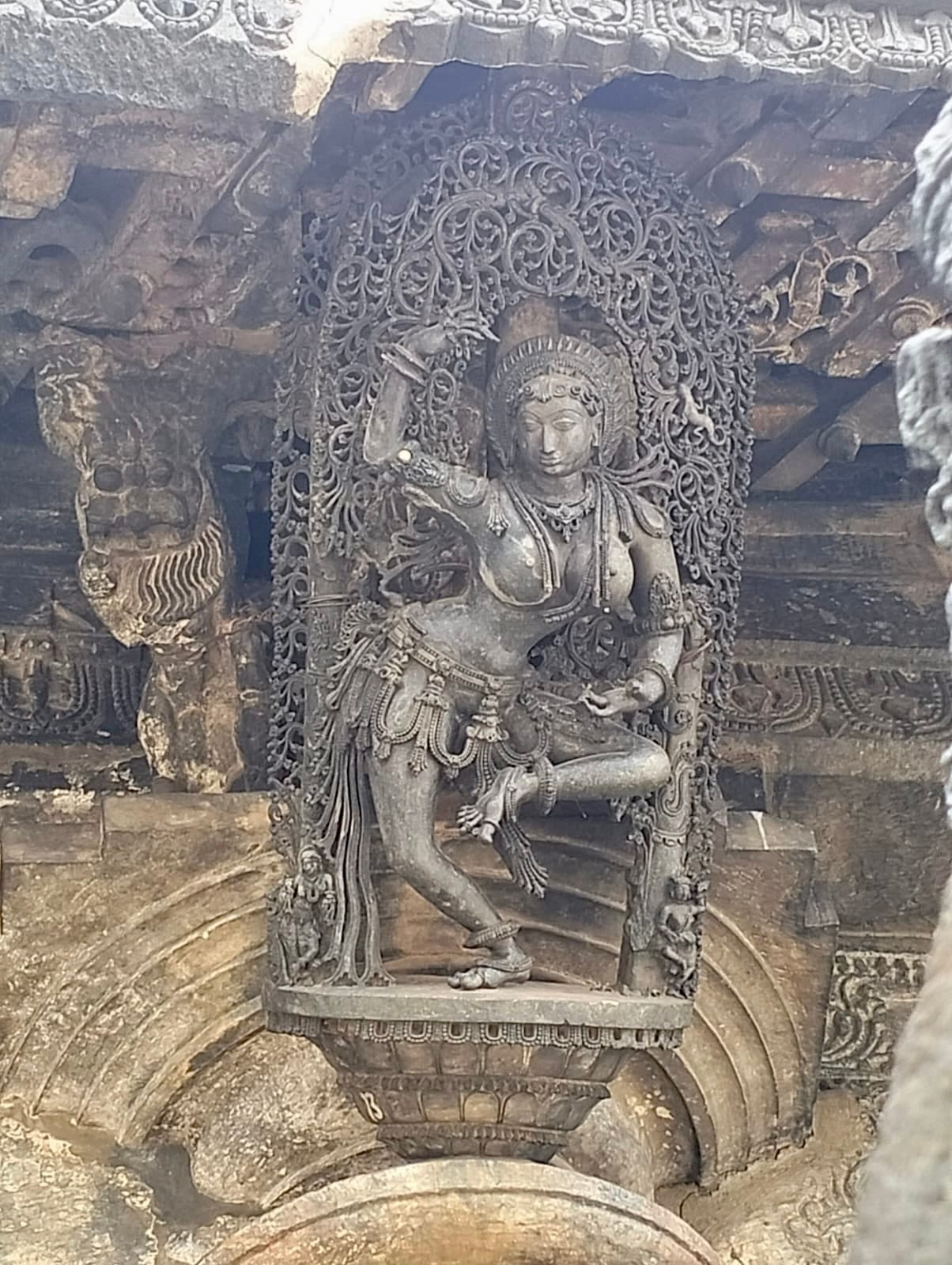
Understanding the heart of a devadasi, Magalhães recognizes the “de-individualizing function of the art, and its potential as a path to Self-realization” (“Hindu Dance” 119) and also the fact that the sacred dance is “both a path towards self-mastery and an offering to the divine” (“Hindu Dance” 113). Hence, “the profound aesthetic rapture embodies a kind of self-recognition” or Pratyabhijñā [[4]]. Magalhães had argued that the knowledge of spiritual Reality in India is not an abstract philosophy but “knowable by the spark of divine Intellect inherent in mankind—that is above the plane of our everyday experience and which determines it, whether we are aware of this or not” (“Hindu Dance” 111).
Once the Yogini, following the Yogic discipline, dances the harmony of the spheres, she transforms herself into the deity, and the spark in her gets transmitted to the viewers and worshippers.
In practicing these karaṇas, Magalhães recognizes the “Theomorphic nature of the human body ” (The Sacred 22). It is this recognition that undergirds the esoteric traditions of the world, consistent with the Hermetic principle of correspondence, “as above, so below”. In The Advaita of Art, Harsha Dahejia writes: “It is amply clear that only when an aesthete comes under the influence of a yantra that he realises that the outer sensual aspects of the rupa are only a threshold to the inner geometric form….The inferential process of converting an image to its yantra leads the initiate to what Vatsyayana calls an ‘ordered inner vision’ and a ‘complete and accurate visualised diagram of the deity in the worshipper’s heart’, converting outer sight into inner vision” (107).
This inner geometric form is recognized in Tantric Mahamudra practices, which are designed to recognize that great seal of the divine imprinted in the human body. Once the Yogini, following the Yogic discipline, dances the harmony of the spheres, she transforms herself into the deity, and the spark in her gets transmitted to the viewers and worshippers.
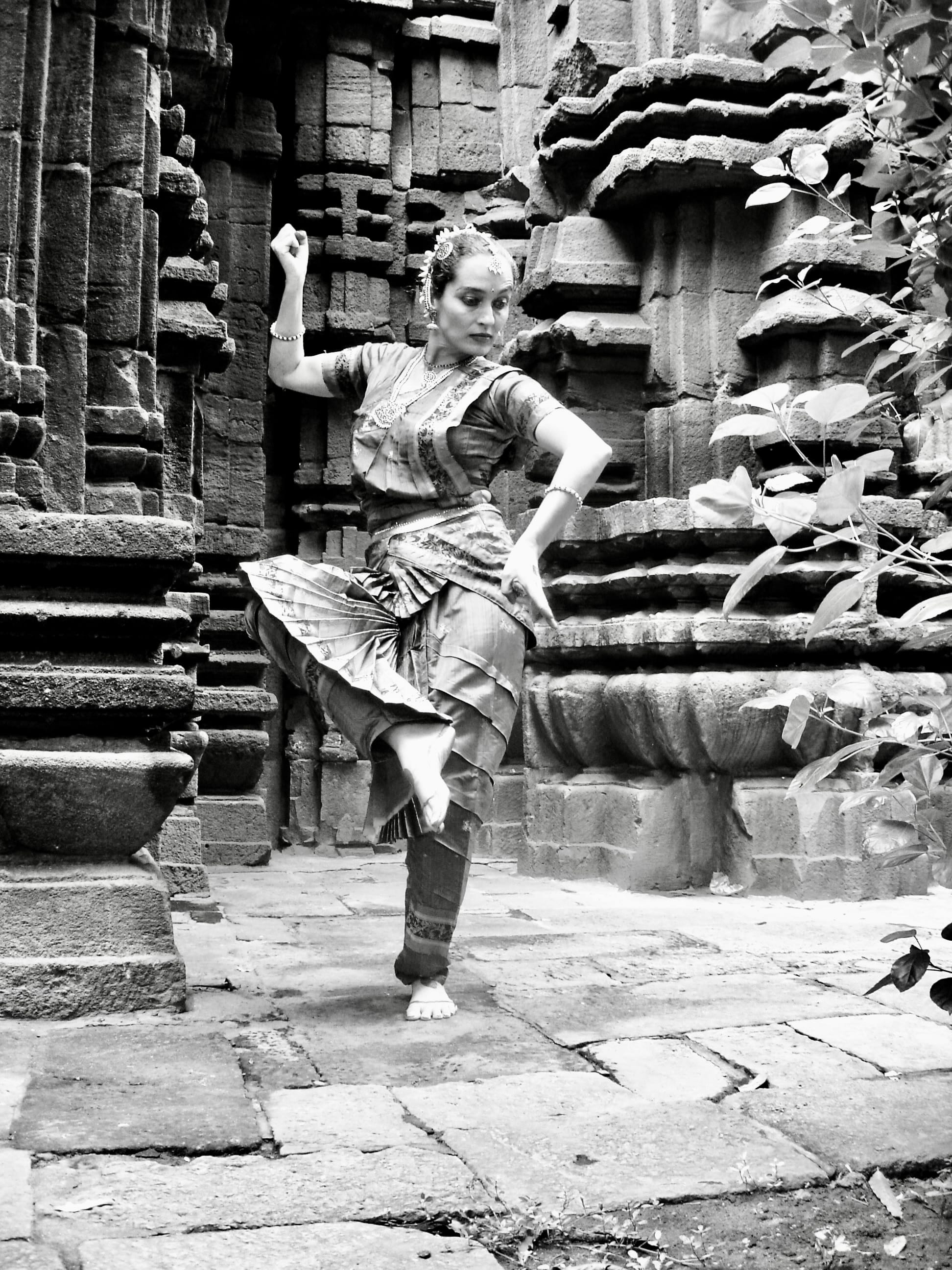
This confluence of dance and sculpture is one of the supreme achievements of India's wisdom paths. Tantric masters like Abhinavagupta provide the key to the rasa experience of aesthetic practices and their transmuting capacities in his astute texts. Magalhães’s work is making these powerful knowledge systems and practices available to the global seekers who are not only interested in amassing knowledge for the academic marketplace but are also sincerely interested in the transformational aspects of this science of life. Sanjukta Gupta asserted that “the Spiritual practice of Tantrics is based on the idea that their philosophical tenets and religious mandates should find expression in a form that can be experienced also physically and should not merely function as intellectual exercises. Their metaphysical concepts are worked into their mode of life so that the practitioner may experience them in everyday life” (81). Magalhães shows the relevance of that embodied practice: “Motion is proper to dance and drama, and the Karaṇas were the dramatic actions of the human body employed to enact the transmutation of energies” (The Sacred 74).
An especially important contribution of the book is its perennialist perspective that looks at the notion of “Wisdom Uncreated” that is found in the works of Pythagoras, Plato, Aristotle, and Plotinus. A perennialist Sufi master, Seyyed Hossein Nasr, talks about sacred art whose source is divinity, and asks in Knowledge and the Sacred, “If the origin of the forms used by this art were not ‘celestial,’ how could an Indian statue convey the very principle of life from within? How could we look at an icon and experience ourselves being looked upon by the gaze of eternity?” (263)
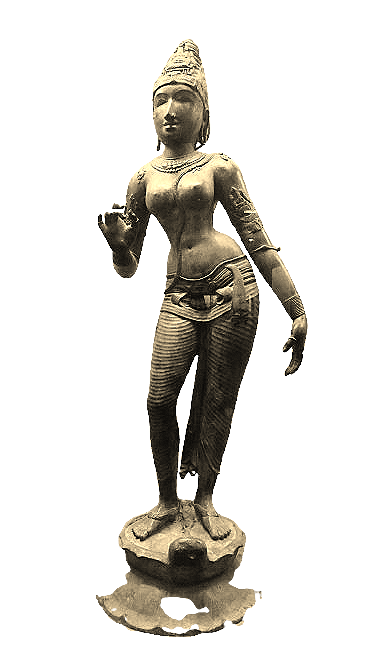
Magalhães’s book itself is a kind of gaze of eternity. She cites Ananda K. Coomaraswamy and other Sufi masters like René Guénon and Frithjof Schuon to discuss how the tradition of sacred dance connects with the spiritual alchemy of other paths like Sufi dervishes. She argues that “Dramatic ritual, then, reconnects man to his ontological source and aids him in the recollection of his divine origin” (The Sacred 54). Here, the Platonic notion of anamnesis and the Indic Pratyabhijñā come together. In addition, it is a reminder of our borderless spirituality or the transcendent unity of religions that finds a common ground beyond the distinctions of Benaras and Mecca, as Schuon would say.
through her study and practice of Karaṇas, she presents the “perennial wisdom inscribed in the human body” as the “gnosis of Hinduism”.
Here is an author who deeply understands the grammar of dance and recognizes the human body as a Yantra which, like other theurgic symbols, can “awaken what is latent within our consciousness” (The Sacred 174).
As both dancer and scholar, Magalhães possesses an intuitive understanding of the present era as an abnormal civilization (The Sacred 221), and, through her study and practice of Karaṇas, she presents the “perennial wisdom inscribed in the human body” as the “gnosis of Hinduism” (The Sacred 220).
The book itself is a form of recollection or Pratyabhijñā, presenting a return of sacred art forms to re-sacralize the modern world that has lost its nourishing connection with the sacred.
Works Cited
Dehejia, Harsha. The Advaita of Art. Delhi: Motilal, 1996
Gupta, Sanjukta. The Cosmic Play of Power: Goddess, Tantra and Women. Delhi: Motilal, 2013.
Guy, John. “Indian dance in the temple context” in Dancing the Flute: Music and Dance in Indian Art, Sydney: The Art Gallery of New South Wales, 1997.
Magalhães, Sarah Vieira. “Hindu Dance, the Noble Language of the Gods.” Sacred Web 47.
Magalhães, Sarah Vieira. The Sacred Dance of Ancient India and Its Relevance to Hindu Iconography. Shubhi Publications: Gurugram, India, 2025.
Nasr, Seyyed Hossein. Knowledge and the Sacred. Albany: SUNY Press, 1989.
Pal, Pratapaditya. “The Circle of Shiva” in Dancing the Flute: Music and Dance in Indian Art, Sydney: The Art Gallery of New South Wales, 1997.
Thakar, Vimala. Life as Yoga. Delhi: Motilal, 1977.
[[1]]: The karaṇas are the primary movements and postures described in the ancient treatise in dramaturgy, the Nāṭyaśāstra, that in the course of time developed into the eight styles of Indian classical dance
[[2]]: Svātantrya refers to Divine Sovereignty in (Kashmiri Shaivism). It is the supreme energy of consciousness (Paramaśiva), representing absolute free will and the innate capacity to emanate the entire universe from within. In this context, it conveys the idea of relying on one’s own internal nature (svabhava) rather than external forces
[[3]]: Sādhanā refers to any spiritual discipline through which an individual celebrates and experiences God and ultimately realizes the formless Principle
[[4]]: Pratyabhijñā is a core school of Kashmiri Shaivism meaning “recognition” or “re-cognition”. It refers to the instantaneous recognition of one’s own true nature—individual consciousness—as identical to the Universal Consciousness or Shiva


